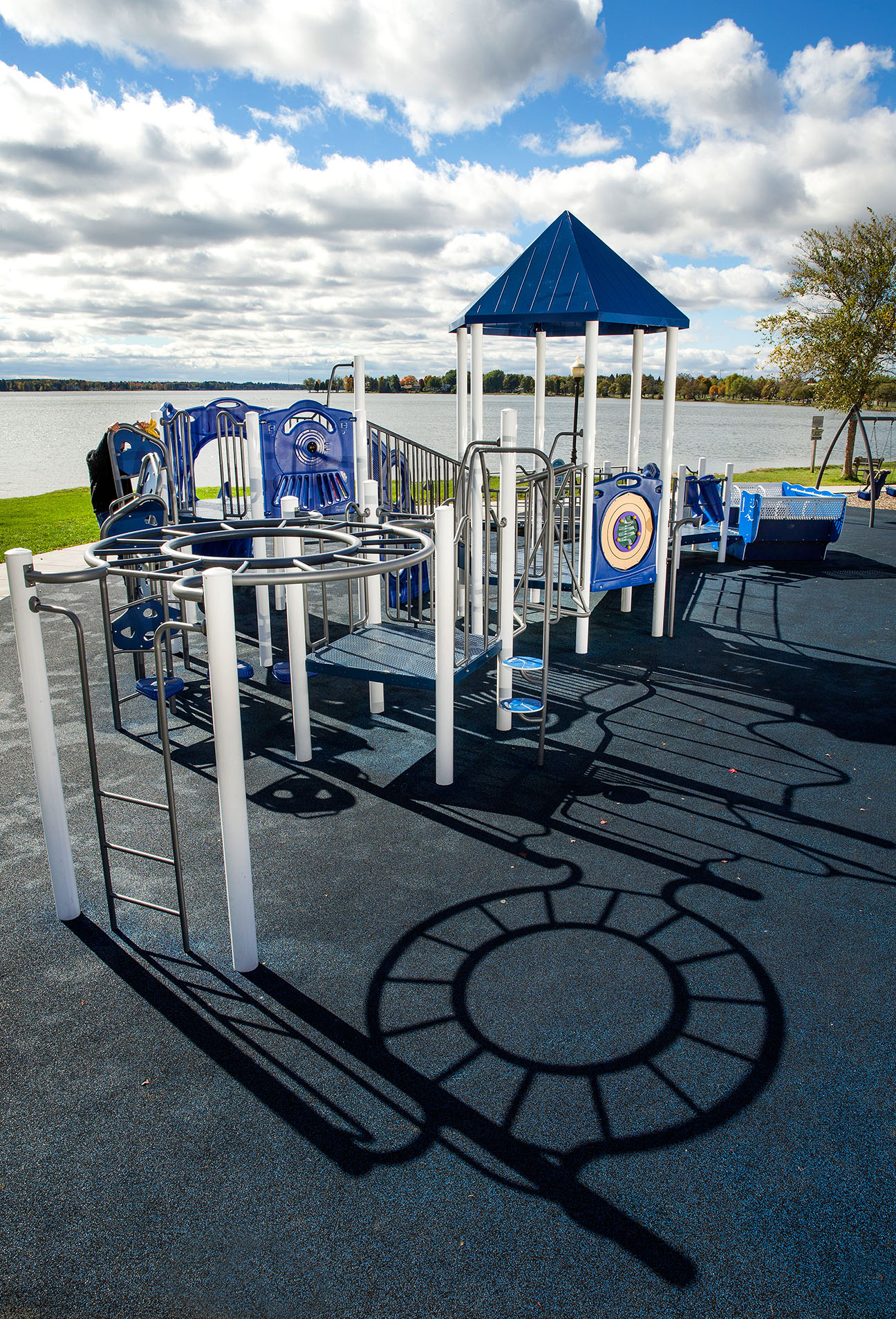
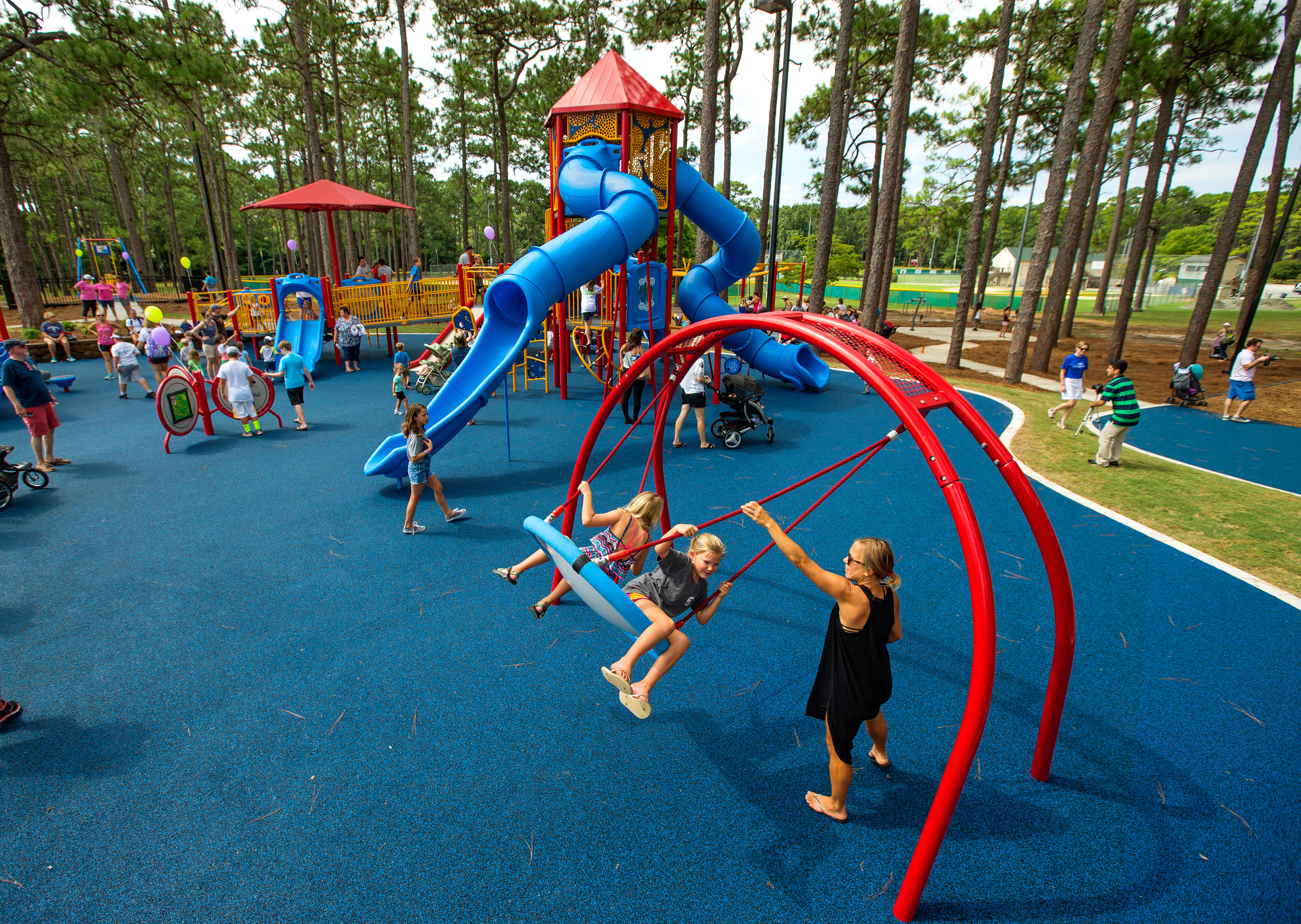
A great playground is more than a collection of slides, swings, and climbing structures. It is a place where children can explore, challenge themselves, build friendships, and create lasting memories. For communities, schools, parks, and recreation departments, designing a fun playground means creating a space that encourages children to return again and again.
But what makes a playground fun? The answer comes down to thoughtful playground design, engaging play experiences, and equipment that inspires children of different ages and abilities.
At Sinclair Recreation, we believe the best playgrounds bring communities together while providing children with opportunities to learn, grow, and play. Here are seven essential elements that make a playground truly fun.
A Variety of Playground Equipment and Play Experiences
One of the most important elements of a fun playground is variety. Children enjoy different types of play, and a playground that offers multiple activities can keep them engaged for longer periods.
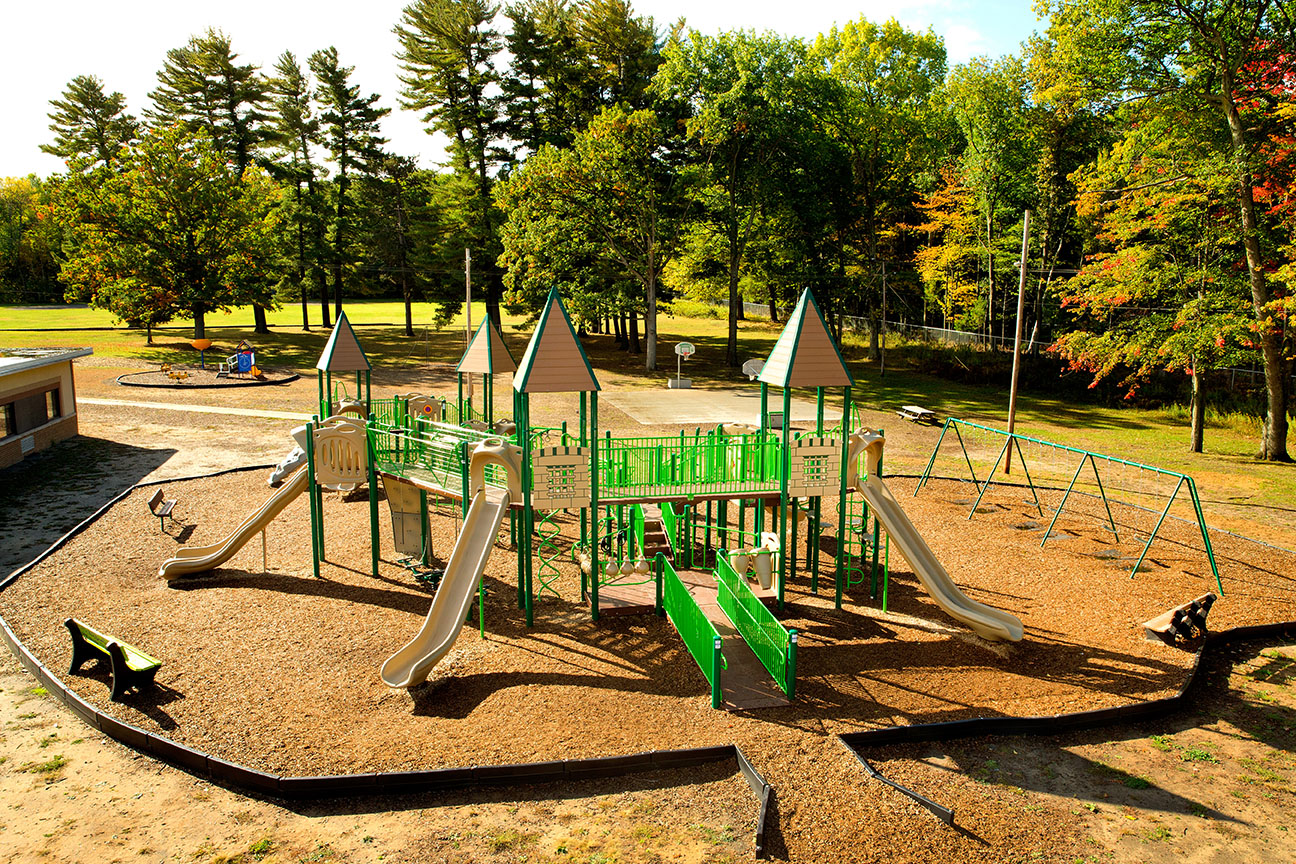
A well-designed playground may include:
- Slides that offer exciting ways to move from one level to another
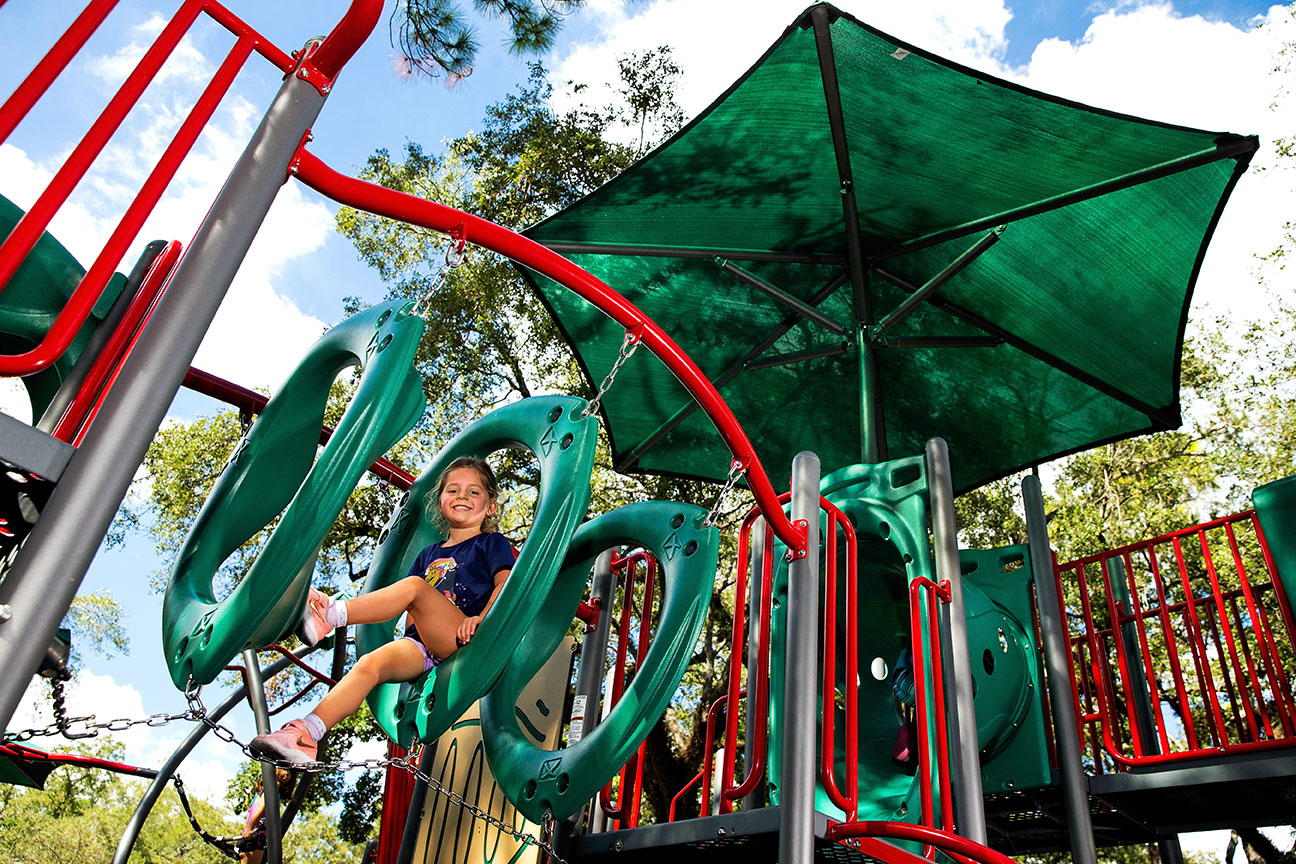
- Swings that encourage movement and sensory exploration
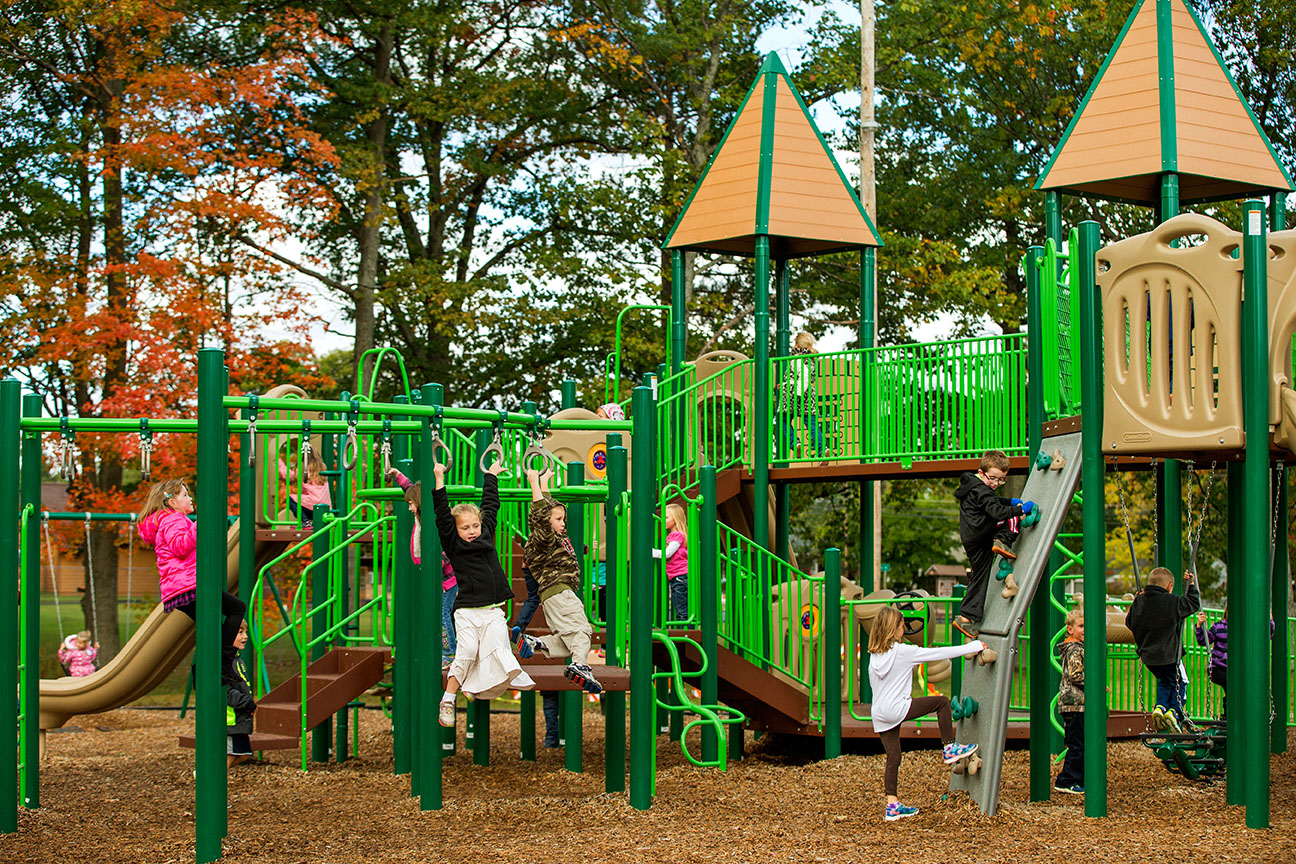
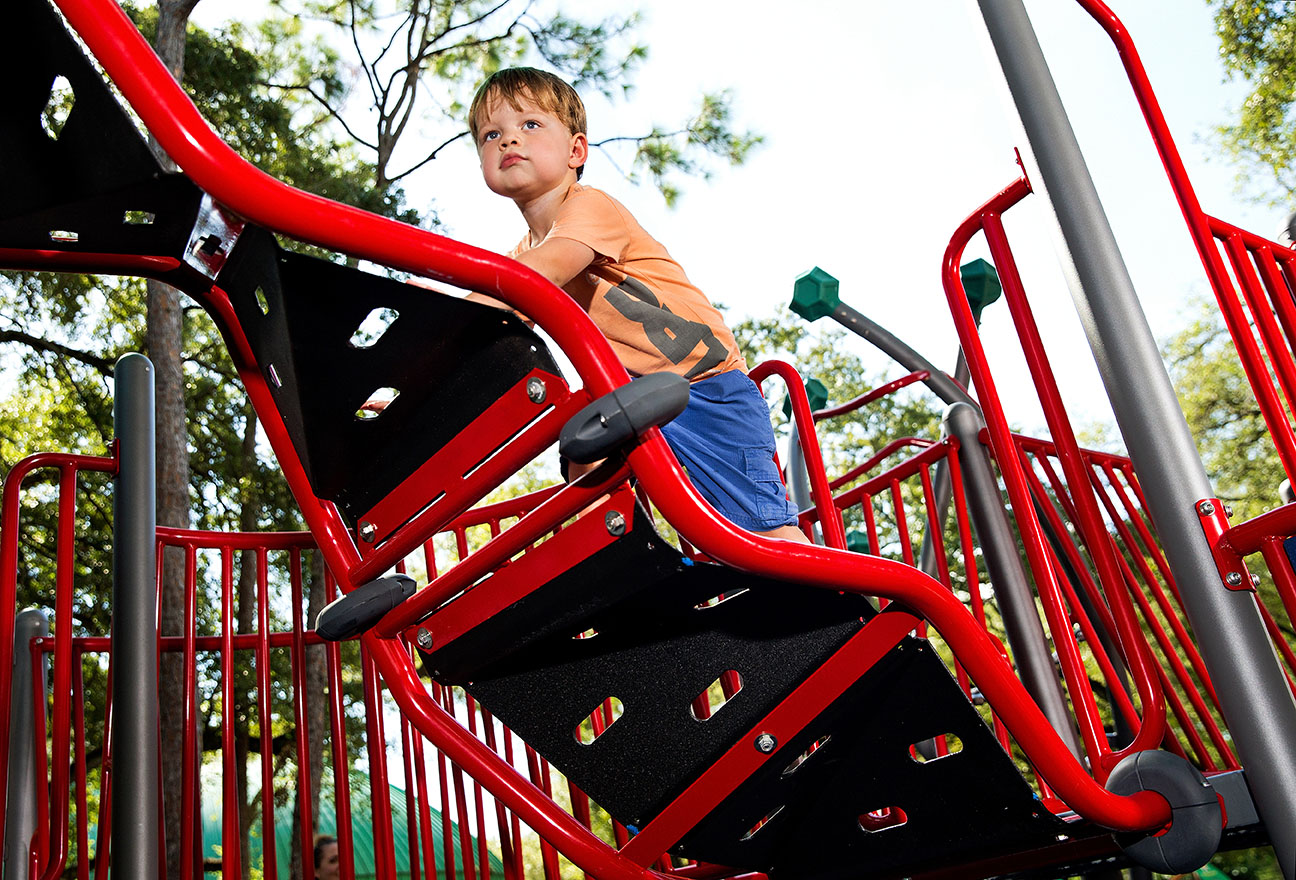
- Climbing structures that challenge balance, strength, and coordination
- Overhead climbers that encourage upper-body development
- Spinners and rotating equipment that provide dynamic play experiences
- Musical instruments that encourage creativity and self-expression
Combining different types of playground equipment creates opportunities for children to explore their interests and discover new ways to play.
The goal is to create a playground that offers something new with every visit.
Playground Design That Encourages Imagination
The most memorable playgrounds inspire children to use their imaginations.
A playground can become a pirate ship, a castle, a jungle, or a space station. Themed playground equipment and creative design elements help transform an ordinary park into an exciting destination.
Imaginative play allows children to develop creativity, problem-solving skills, and social connections. When playgrounds include opportunities for pretend play, children can create their own adventures and develop stories with their friends.
Playground designers can encourage imagination through:
- Themed play structures
- Unique architectural elements
- Play panels and interactive features
- Nature-inspired designs
- Open-ended play opportunities
A playground that encourages imagination offers more than physical activity. It creates an environment where children can take the lead and make every visit their own.
Playground Equipment for Different Age Groups
A fun playground should provide engaging experiences for children at different stages of development.
Children ages 2–5 often benefit from smaller structures, lower slides, sensory activities, and age-appropriate climbing opportunities. Children ages 5–12 may enjoy more challenging climbing structures, taller slides, overhead activities, and opportunities to test their physical abilities.
When designing a playground, it is important to consider the needs of each age group.
Separating play areas by age can help create appropriate challenges while allowing families with multiple children to enjoy the park together.
A thoughtfully designed playground provides opportunities for children to grow with the equipment, discovering new challenges as their confidence and abilities develop.
Opportunities for Social Interaction and Cooperative Play
Playgrounds are natural gathering places where children develop friendships and learn important social skills.
Equipment that encourages cooperative play can make a playground even more engaging. When children work together, they learn how to communicate, share, solve problems, and navigate social situations.
Examples of playground features that encourage social interaction include:
- Multi-user climbing structures
- Group swings
- Interactive play panels
- Team-oriented activities
- Large play structures with multiple entry points
- Musical play equipment
These features encourage children to interact with one another instead of playing independently.
For communities, playgrounds also provide a place where families, caregivers, and neighbors can connect. A great playground can become a central gathering place that strengthens community relationships.
Inclusive Playground Design That Welcomes More Children
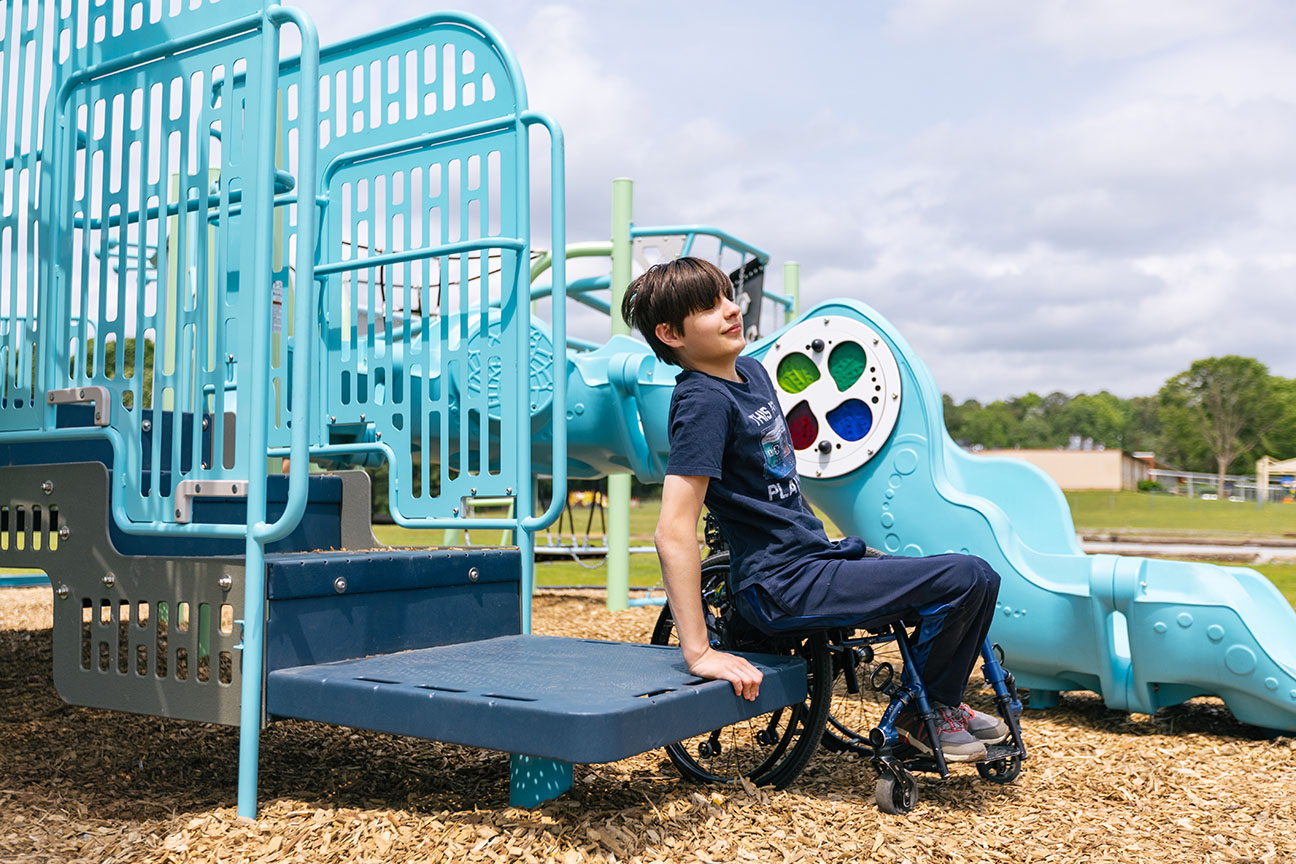
A fun playground should provide opportunities for children of different abilities to play, explore, and participate.
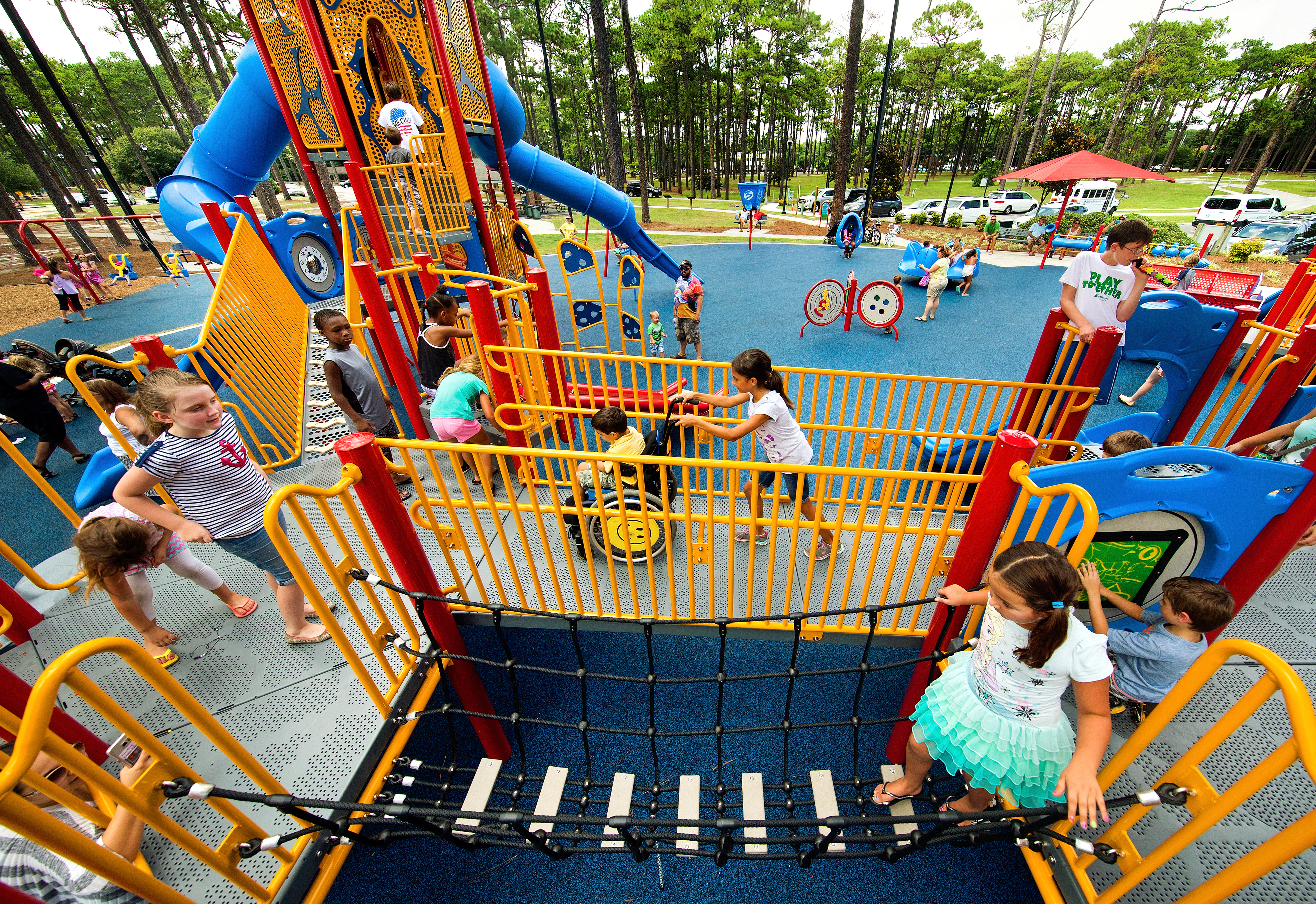
Inclusive playground design considers how children with different physical, sensory, and developmental needs can experience play. By incorporating accessible routes, ground-level activities, sensory play features, and thoughtfully designed equipment, communities can create playgrounds that welcome more children.
Some features to consider include:
- Accessible routes throughout the play area
- Ground-level play activities
- Sensory play panels and musical elements
- Transfer platforms and accessible play components
- Shaded seating areas for caregivers
- Equipment that encourages children to play together
The goal is to create a playground where children can participate in meaningful play experiences and families feel welcome.
When accessibility is considered from the beginning of the playground design process, it becomes easier to create a space that serves the entire community.
Learn more about Inclusive Playgrounds here
A Safe Playground That Encourages Exploration
Safety is an essential part of creating a fun playground.
Children need opportunities to explore, take appropriate risks, and challenge themselves. A well-designed playground balances exciting play experiences with thoughtful safety considerations.
Important playground safety features include:
- Age-appropriate playground equipment
- Proper spacing between structures
- Appropriate playground surfacing
- Safe fall zones around equipment
- Clear pathways and sightlines
- Equipment designed and installed according to applicable safety standards
Proper playground surfacing is especially important because it helps reduce the risk of injury from falls. Options such as engineered wood fiber and poured-in-place rubber can provide different benefits depending on the playground's needs, budget, and design.
Regular playground inspections and maintenance also help keep equipment in good condition and support a safe play environment.
A playground should encourage children to explore confidently while giving parents, caregivers, and communities peace of mind.
Comfortable Park Amenities That Bring Families Together
A fun playground is about more than the equipment itself. The surrounding park environment plays an important role in creating a positive experience for families.
Comfortable amenities can encourage families to spend more time at the playground and make the park a destination for the entire community.
Popular playground and park amenities include:
- Shade structures and shelters
- Picnic tables and benches
- Drinking fountains
- Bike racks
- Walking paths
- Landscaping and natural elements
- Open spaces for additional recreation
Shade is especially valuable during warmer months, helping create more comfortable spaces for children and caregivers.
When playground equipment is combined with thoughtful park amenities, communities can create inviting outdoor spaces that encourage families to stay, connect, and return.
Browse Park & Site Amenities from Sinclair Recreation
How to Design a Playground Your Community Will Love
Creating a fun playground starts with understanding the needs of the community.
Before selecting playground equipment, consider the intended age groups, available space, budget, accessibility goals, and types of play experiences you want to provide.
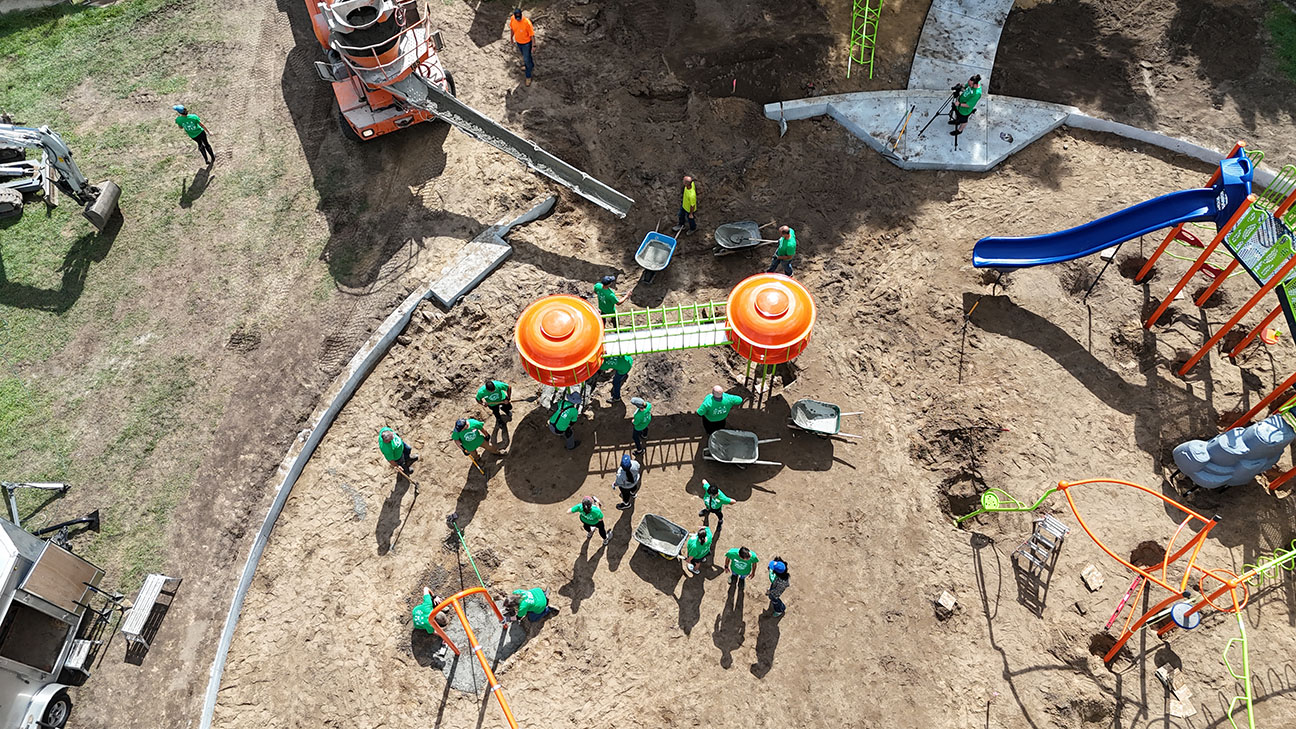
Working with an experienced playground design and installation partner can help communities make informed decisions throughout the process.
A successful playground project typically includes:
- Understanding community needs: Identify who will use the playground and what experiences they want.
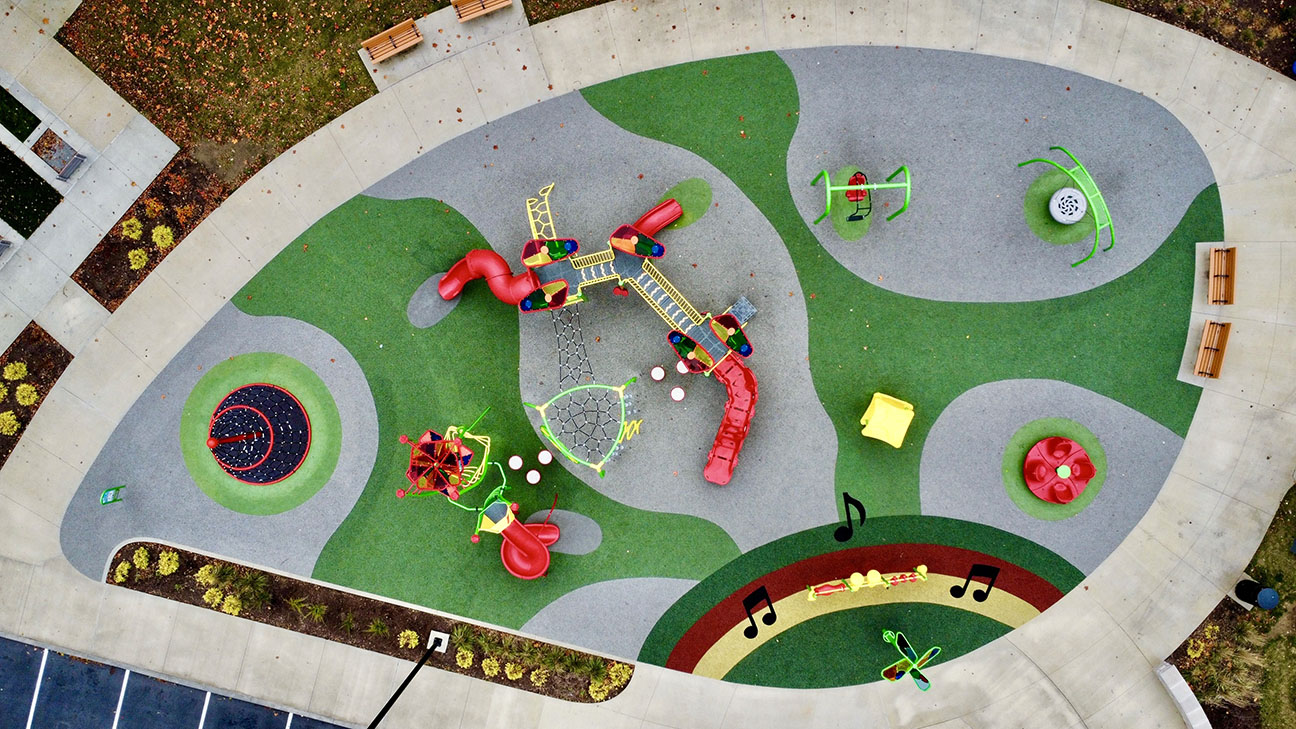
- Planning the playground layout: Consider equipment placement, circulation, accessibility, and available space.
- Selecting playground equipment: Choose structures and activities that provide a variety of play experiences.
- Planning for safety and accessibility: Incorporate appropriate surfacing, accessible routes, and age-appropriate equipment.
- Considering long-term maintenance: Select materials and equipment that support the community's maintenance needs.
- Planning for installation: Coordinate construction, installation, and project details to help ensure a successful outcome.
Every community is different. The best playground design is one that reflects the people who will use it and the goals of the organization investing in it.
Create a Playground That Inspires Play
So, what makes a fun playground?
It is a combination of engaging playground equipment, imaginative design, opportunities for social interaction, age-appropriate challenges, accessibility, safety, and comfortable park amenities.
When these elements come together, a playground becomes more than a place to play. It becomes a community destination where children build confidence, families make memories, and neighbors connect.
At Sinclair Recreation, we help communities throughout Michigan and Indiana bring their playground visions to life. From playground design and equipment selection to installation and construction, our team works alongside parks, schools, and communities to create outdoor spaces that inspire play.
Ready to start your playground project?
Contact Sinclair Recreation to discuss your vision and discover how we can help create a playground your community will love.