.jpg)
Why Playground Maintenance Matters
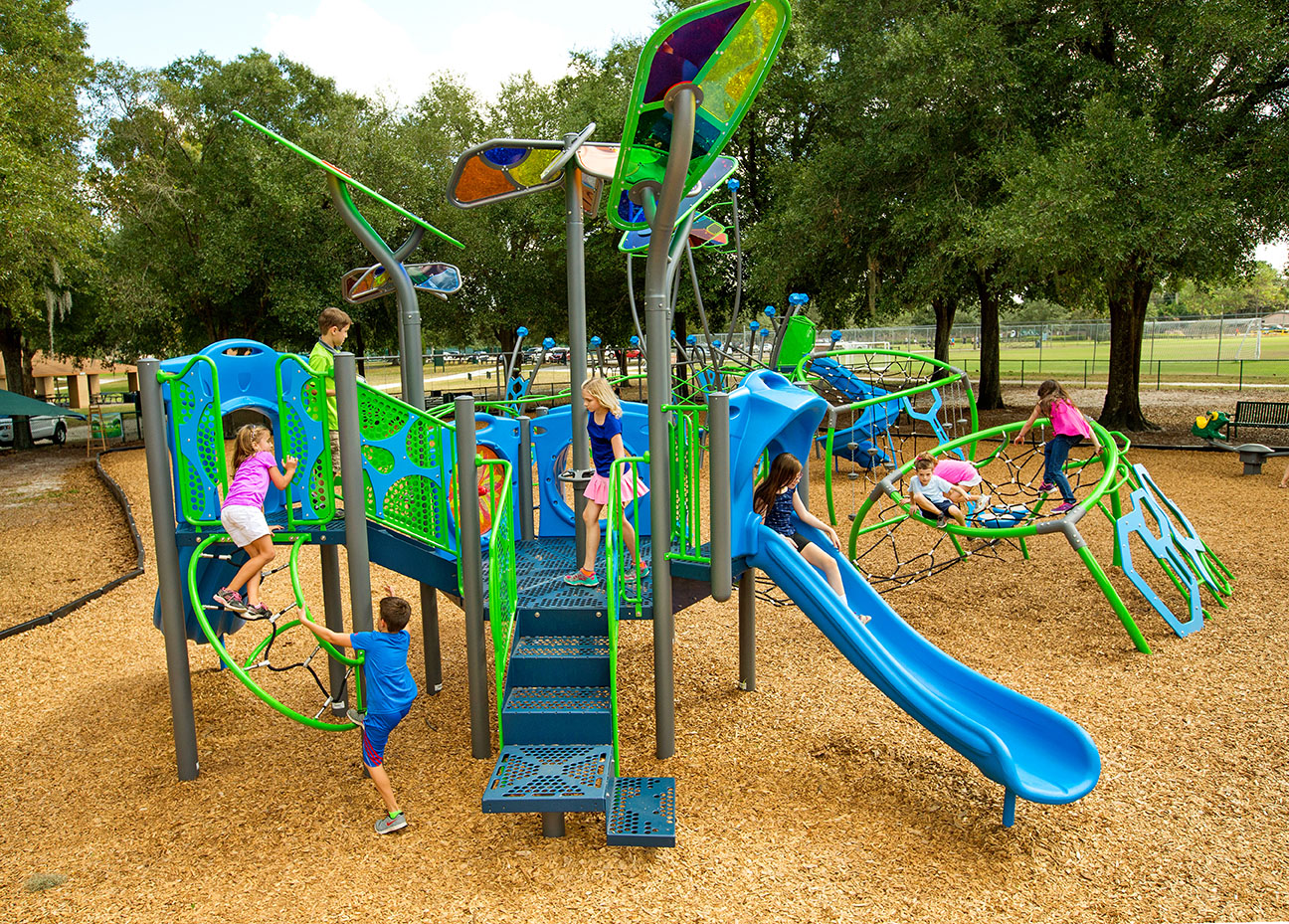
A well-maintained playground creates a safer, longer-lasting, and more enjoyable space for children and families. Whether your playground is located at a school, park, church, HOA, daycare, or community center, regular maintenance is essential to protecting your investment and reducing safety risks.
Creating a consistent playground maintenance checklist also helps organizations stay ahead of costly repairs and better plan for future playground replacement projects.
In addition to routine upkeep, understanding playground inspection requirements can help ensure your site remains compliant with national safety standards and ADA accessibility guidelines.
Understanding Playground Inspection Requirements
Playgrounds experience daily wear from weather, heavy use, and natural aging. Because of this, regular inspections are critical for identifying hazards before they become serious safety concerns.
Most playground owners should follow a multi-level inspection schedule that includes:
Daily or Weekly Visual Inspections
These inspections focus on obvious safety concerns such as:
- Broken equipment
- Sharp edges
- Loose hardware
- Vandalism
- Trash or debris
- Damaged surfacing
- Standing water
High-traffic playgrounds may require inspections several times per week.
Monthly Operational Inspections
A more detailed operational inspection should include:
- Checking moving components for wear
- Inspecting swings, chains, and fasteners
- Verifying structural stability
- Reviewing surfacing depth and coverage
- Examining signs of corrosion or rust
- Checking for trip hazards
Annual Comprehensive Inspections
An annual inspection performed by a Certified Playground Safety Inspector (CPSI) provides a full review of:
- Overall playground safety
- Compliance with playground inspection requirements
- ADA accessibility
- Equipment lifespan
- Structural integrity
- Risk assessment and hazard identification
These inspections can help playground owners prioritize repairs and budget for future upgrades.
Playground Maintenance Checklist
A proactive playground maintenance checklist helps extend equipment life and improve safety. Below are key areas every playground owner should monitor regularly.
1. Inspect Playground Surfacing
Protective surfacing is one of the most important safety features on any playground.
Check for:
- Low-fill areas in engineered wood fiber (EWF)
- Uneven surfacing
- Compacted materials
- Drainage issues
- Cracks in poured-in-place rubber
- Trip hazards around borders or curbs
Maintaining proper surfacing depth is essential for fall protection and compliance.
2. Check Hardware and Connections
Loose or damaged hardware can quickly become a safety issue.
Inspect:
- Bolts and fasteners
- Swing hangers
- Clamps and brackets
- Handrails and barriers
- Connection points on climbers and slides
Replace missing or worn components immediately.
3. Examine Moving Components
Moving parts naturally wear faster than stationary equipment.
Pay close attention to:
- Swing chains
- Tire swivels
- Spinner bearings
- Seesaw pivots
- Roller slides
Lubricate components when recommended by the manufacturer and replace worn parts before failure occurs.
4. Monitor Rust, Corrosion, and Weather Damage
Outdoor playgrounds are constantly exposed to the elements.
Look for:
- Rusted metal
- Faded or cracked plastic
- Wood rot
- Corrosion near ground level
- UV damage
- Peeling coatings or paint
Addressing minor weather damage early can prevent expensive structural repairs later.
5. Review Accessibility Features
ADA accessibility should remain a priority throughout the life of the playground.
Check:
- Accessible routes
- Transfer platforms
- Ramp conditions
- Surfacing accessibility
- Clearance around play components
As playground standards evolve, many older playgrounds may benefit from accessibility upgrades during renovation projects.
6. Maintain Site Amenities
Playground maintenance extends beyond the equipment itself.
Inspect surrounding amenities such as:
- Benches
- Shade structures
- Trash receptacles
- Fencing
- Signage
- Bike racks
- Lighting
A clean, well-maintained site improves both safety and user experience.
Signs It May Be Time for Playground Replacement
Routine maintenance can significantly extend playground life, but every playground eventually reaches a point where replacement becomes the more cost-effective option.
Common signs include:
- Frequent repairs
- Discontinued replacement parts
- Significant rust or structural damage
- Outdated safety standards
- Accessibility limitations
- Worn surfacing systems
- High annual maintenance costs
Most commercial playgrounds have a lifecycle of approximately 15–20 years depending on usage, climate, and maintenance practices.
Lifecycle Planning for Playground Owners
Lifecycle planning helps organizations budget for future improvements instead of reacting to emergency repairs.
Create a Long-Term Maintenance Budget
Annual budgeting should include:
- Surfacing replenishment
- Replacement parts
- Inspection costs
- Minor repairs
- Shade or site amenity maintenance
Planning ahead reduces unexpected expenses and extends equipment lifespan.
Keep Inspection Records
Maintaining organized inspection documentation helps:
- Track recurring issues
- Prioritize repairs
- Support warranty claims
- Demonstrate due diligence
- Improve long-term planning
Digital inspection logs can simplify maintenance management for parks and facility teams.
Plan for Future Upgrades
Many playground owners choose phased improvements to spread costs over time.
Common upgrade projects include:
- Adding shade structures
- Replacing surfacing
- Improving ADA accessibility
- Expanding age-appropriate play areas
- Installing inclusive play components
Strategic upgrades can refresh older playgrounds without requiring a full replacement immediately.
Final Thoughts
A consistent playground maintenance checklist is one of the best ways to protect children, extend equipment lifespan, and reduce long-term costs. By following proper playground inspection requirements and planning ahead for future repairs or replacement, playground owners can create safer and more sustainable play environments for years to come.
Whether you manage a school playground, city park, HOA, or childcare center, proactive maintenance and lifecycle planning are essential parts of responsible playground ownership.
.jpg)
.jpg)
.jpg)
.jpg)
.jpg)
.jpg)